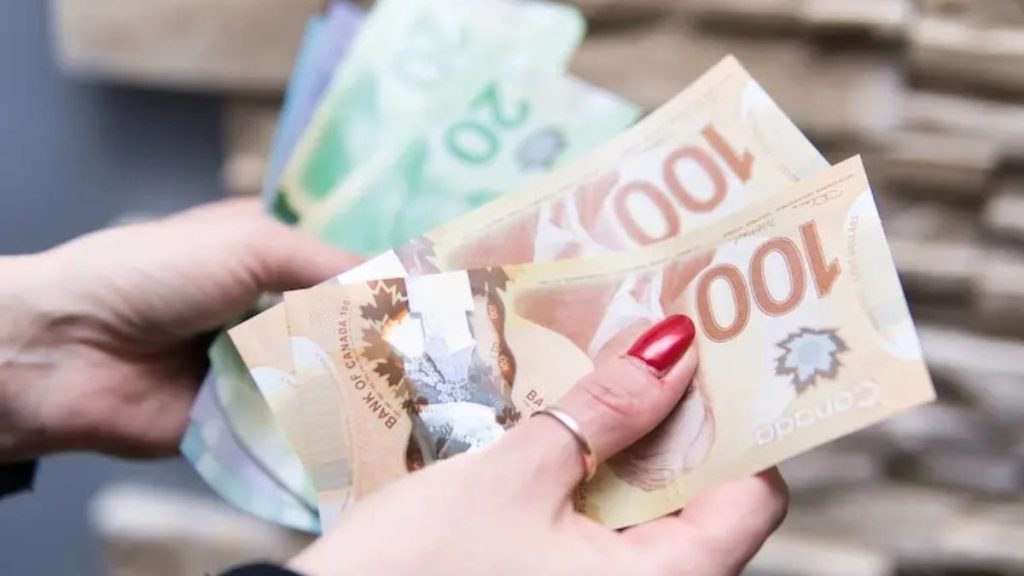
Canadians will see a major update to carbon rebate payments in early 2026, as the Canada Revenue Agency (CRA) prepares to issue new carbon rebate payouts worth up to $1,120 per eligible household. According to official confirmation, payments are scheduled to begin after January 8, 2026, marking the rollout of a revised rebate structure.**
CRA to Launch Revamped Carbon Rebate Payments in 2026
The Canada Revenue Agency (CRA) has officially announced that a new carbon rebate structure will begin rolling out from mid-January 2026, providing up to $1,120 per eligible household. This marks a significant update to the federal carbon pricing rebate system and aims to streamline payments, enhance transparency, and ensure more predictable support for Canadians facing rising living costs linked to environmental policies.
Why Canada Is Updating Its Carbon Rebate Framework
Canada’s carbon rebate system has faced repeated criticism over its complexity and irregular payment schedules. In response, the federal government is introducing a more consolidated, clearer, and easy-to-track payment model. The goal is to provide Canadians with a reliable way to offset carbon pricing costs without the confusion of fluctuating payments.
Latest Stories
 Canada Confirms $1461.66 Monthly CPP Rates for 2026 — Big Boost for Canadian Pensioners
This move also supports broader government efforts to make climate-related benefits more accessible, visible, and user-friendly.
What the $1,120 Payment Represents
The $1,120 figure announced by the CRA represents the maximum annual carbon rebate under the 2026 model. However, the actual amount a household receives will depend on several factors, including:
- Province or territory of residence
- Number of family members
- Eligibility based on income tax filings
While not every family will receive the full amount, the new model offers greater clarity by setting a maximum benchmark for support.
Latest Stories
 Gas Prices in Canada May Drop 25 Cents Per Litre – Here’s What the CRA Carbon Policy Change Means for You
When Will the Carbon Rebate Payments Be Made?
Payments are set to begin shortly after January 8, 2026. This timing ensures that updated eligibility information is processed accurately following year-end tax data and program assessments. Those signed up for direct deposit through CRA will receive funds more quickly, while cheque recipients may experience a typical postal delay.
Who Is Eligible for the New Carbon Rebate?
Eligibility for the carbon rebate remains tied to the federal carbon pricing program, with priority given to:
- Low- and middle-income households
- Families residing in provinces where the federal carbon pricing applies
- Individuals who file their annual income tax returns
Most eligible Canadians do not need to apply, as the CRA automatically assesses eligibility using tax return data.
Latest Stories
 New Canadian Work Permit Rules Could Cost You $1500 — What Every Foreign Worker Must Know Before Applying
How the New Model Offers Greater Clarity
Under the previous model, Canadians often received carbon rebates in multiple small instalments, making it hard to track total annual benefits. The updated model improves transparency by:
- Offering a clearly defined annual amount
- Setting consistent payment dates
- Making it easier to budget around rebate timing
This simplification is especially valuable for households planning around high winter expenses.
Payment Delivery: Direct Deposit or Cheque
As with other federal benefits, the CRA will use its standard payment systems to distribute the rebate. Canadians are strongly encouraged to:
Latest Stories
 CRA’s $533 Tax-Free GST Credit Coming in January 2026 — Full Payment Breakdown and Eligibility
- Register for direct deposit to avoid delays
- Update banking information through CRA’s MyAccount portal
- Check mail delivery timelines if relying on physical cheques
Direct deposit is widely considered the fastest and safest method of payment.
How the Rebate Helps Household Finances
A payment of up to $1,120 can make a significant difference for families, especially in winter months when heating bills, gas prices, and utility costs tend to rise. While the rebate isn’t designed to eliminate carbon-related costs, it helps cushion their financial impact, especially for lower-income households.
Provincial Differences Still Apply
Despite the national rollout, rebate amounts may still vary by province. The federal carbon pricing model is not uniformly applied across all regions. Factors influencing variation include:

- Provincial carbon pricing policies
- Cost of living differences
- Regional implementation agreements
Canadians in provinces like Alberta, Saskatchewan, Manitoba, and Ontario—where the federal carbon tax applies—are expected to receive the most direct benefits.
Common Misunderstandings About the Carbon Rebate
There are several myths surrounding the new rebate:
- Myth 1: Every Canadian will receive $1,120 — Reality: This is the maximum amount; actual payments vary.
- Myth 2: The rebate is taxable — Reality: It is completely tax-free and won’t affect your income.
- Myth 3: You have to apply — Reality: Most payments are automatic if you file your taxes.
Clarifying these points is crucial to ensuring people understand and trust the system.

Is the Carbon Rebate Taxable Income?
No, the CRA has confirmed that the carbon rebate is non-taxable. The full amount is provided tax-free, meaning it will not increase your taxable income or affect eligibility for other benefits. This tax-exempt status is unchanged in the new model.
Why the January 2026 Rollout Matters
Launching the new rebate system in January 2026 aligns with several key policy goals:
- Helps Canadians cope with higher winter energy bills
- Fits naturally into the new tax year structure
- Signals a clean transition to the updated payment model
Starting early in the year allows for more efficient administration and ensures that households begin receiving relief as soon as possible.

Steps Canadians Should Take Now
To ensure smooth payment delivery, Canadians should:
- File 2025 income tax returns on time
- Register for or confirm direct deposit with CRA
- Watch for CRA announcements and updates
Staying proactive will help prevent missed payments or eligibility issues.
How the Rebate Aligns with Canada’s Climate Strategy
Returning carbon revenues directly to households is a core feature of Canada’s carbon pricing system. The carbon rebate:

- Reinforces the principle of “polluter pays”
- Provides financial fairness to Canadian families
- Supports ongoing public acceptance of environmental policy
This model aims to maintain a balance between climate action and affordability, ensuring continued support for Canada’s carbon reduction goals.
Public Reaction to the CRA Announcement
Initial reactions have been mostly positive, with Canadians welcoming the clear communication of a defined rebate amount. However, some have called for:
- More provincial-specific information
- Better outreach to marginalized groups
- Further clarification on future increases or structural adjustments
The CRA has promised to release more detailed guidance in early 2026.
Latest Stories
 $725 Monthly Income Support Confirmed in 2026 – Are You Eligible for Canada’s Guaranteed Benefit?
Could the $1,120 Amount Change Again?
Yes, the carbon rebate is subject to periodic reviews. The $1,120 figure is specific to 2026 and may be adjusted in the future based on:
- Inflation
- Carbon pricing increases
- Government policy updates
Any changes will be communicated well in advance by the CRA.
Looking Ahead: A Simpler, More Predictable System
The revised carbon rebate represents a significant move toward greater simplicity and reliability in Canada’s climate support programs. Future updates may continue refining the system, but for now, Canadians can expect:
Latest Stories
 CRA Confirms $840 Direct Deposit for Millions: Are You on the List to Receive the Relief Payment?
- A predictable annual rebate
- A clear timeline for payments
- Improved public trust in the process